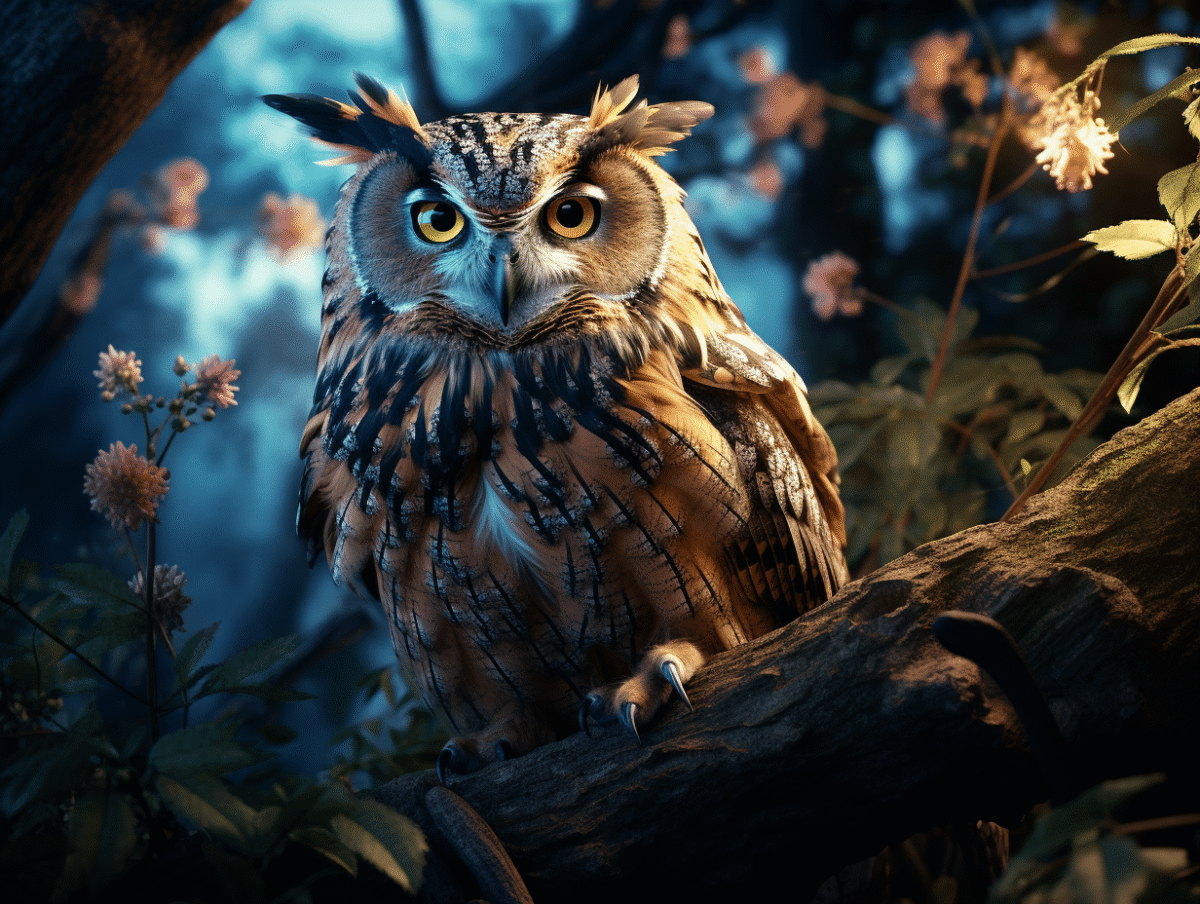
The darkness of the night often envelops nature in a mysterious veil, where every sound takes on a new dimension, evoking curiosity and sometimes unease. When the sun sets, a wild symphony unfolds, orchestrated by a myriad of living beings. These nocturnal sounds, ranging from the melancholic hoot of an owl to the serene song of crickets, carry diverse meanings. Their interpretations vary across cultures and scientific knowledge, often reflecting the complex relationship that humans have with their environment. Deciphering these night sounds can enrich our understanding of the ecosystem and our place within it.
The nocturnal sounds of nature: between science and mythology
In the vast expanse of the night, every sound of nature resonates with a meaning. The cry of the marten, for example, can be perceived as a simple manifestation of nocturnal wildlife or as an omen for some, revealing the richness of interpretations that humans attribute to surrounding noises. The songs of birds, emitted in the darkness, are often imbued with varied symbolism. They serve as vehicles for spiritual messages, sometimes seen as signs from spirits or communications from spiritual guides. These sound manifestations of nocturnal wildlife are windows into how human cultures have attempted to decode and understand the mysteries of nature.
Mythology and folklore have long attributed to birds the role of messengers of the gods. Their flight, their song, and even their mere presence have been interpreted as signs to be deciphered. Birds, in their symbolic dimension, often represent freedom, connection with nature, and spiritual health. A totem animal in the form of a bird could indicate the discovery of new perspectives or a struggle for independence, depending on the dream tradition in which it is situated.
The sonorous sounds of nature, and more specifically of the night, invite humans to modify their perception of the natural world. They are not just noises; they are elements of a complex music, composed by biodiversity and influenced by human myths and beliefs. The crow, whose resonant cry can chill the blood, is often associated with ominous omens in many cultures, while for others, it symbolizes wisdom or knowledge. The effects of these sounds on humans, whether perceived as noise disturbances or as elements of a soothing and mysterious soundscape, are facets of the same reality to explore.

Sound ecology: how do nocturnal sounds influence the environment and living beings?
In the field of sound ecology, the impact of nocturnal sounds on the environment and living beings is a growing concern. The acoustic pressure generated by the cry of birds and the night song alters the tranquility of ecosystems. High noise levels, even those produced by nature, can lead to behavioral changes in both humans and wildlife. These changes range from the disruption of migratory patterns in certain animals to effects on human mental health, particularly due to prolonged exposure to unusual sound levels within their homes.
Noise disturbances, whether anthropogenic or natural, raise questions about their ability to alter the life code of many species. The songs of birds, however melodious they may be, can, when excessive, become a source of stress for other animals, thus influencing their feeding, reproductive, and social behaviors. For humans, constant exposure to noise, even within the home, can disrupt sleep and, in turn, impact physical and mental health.
The natural ‘music’ of the night is therefore not without effects on all residents of the ecosystem. The chirping of birds, often associated with positive energy, can, when perceived as excessive, become a source of negative energy for some individuals. The nocturnal soundscape, rich and complex, requires particular attention. Scientists are examining the tolerance thresholds of different organisms to better understand how to preserve the harmony of these night songs, essential to biodiversity, while protecting the health and well-being of the planet’s inhabitants.