Animals play a crucial role in maintaining the ecological balance of our planet. Each species, from the smallest insect to the largest mammals, contributes to biodiversity and the functionality of ecosystems. They participate in essential processes such as pollination, decomposition of organic matter, and regulation of populations of other species. Their impact goes far beyond, influencing soil fertility, water quality, and even the climate. The disappearance of animal species, often caused by human activities, therefore threatens the natural balance and the well-being of ecosystems, highlighting the importance of conservation and wildlife protection.
The ecological functions of animals in ecosystems
Animal biodiversity, key to ecosystem balance, manifests through a multitude of roles that animals play within their environment. These roles range from pollination, crucial for plant reproduction, to regulating water quality, as well as significantly contributing to carbon sequestration by forests and oceans. The ecological services provided by wildlife are numerous, and their impact reverberates throughout all living beings.
Consider keystone species, such as apex predators, ecosystem engineers, mutualists, and resource providers, who shape the architecture and dynamics of their habitat. Their role is so central that their disappearance can lead to irreversible changes within the food chain and the very structure of the ecosystem. Among them are species like beavers, whose dams alter waterways, or large herbivores that maintain grasslands.
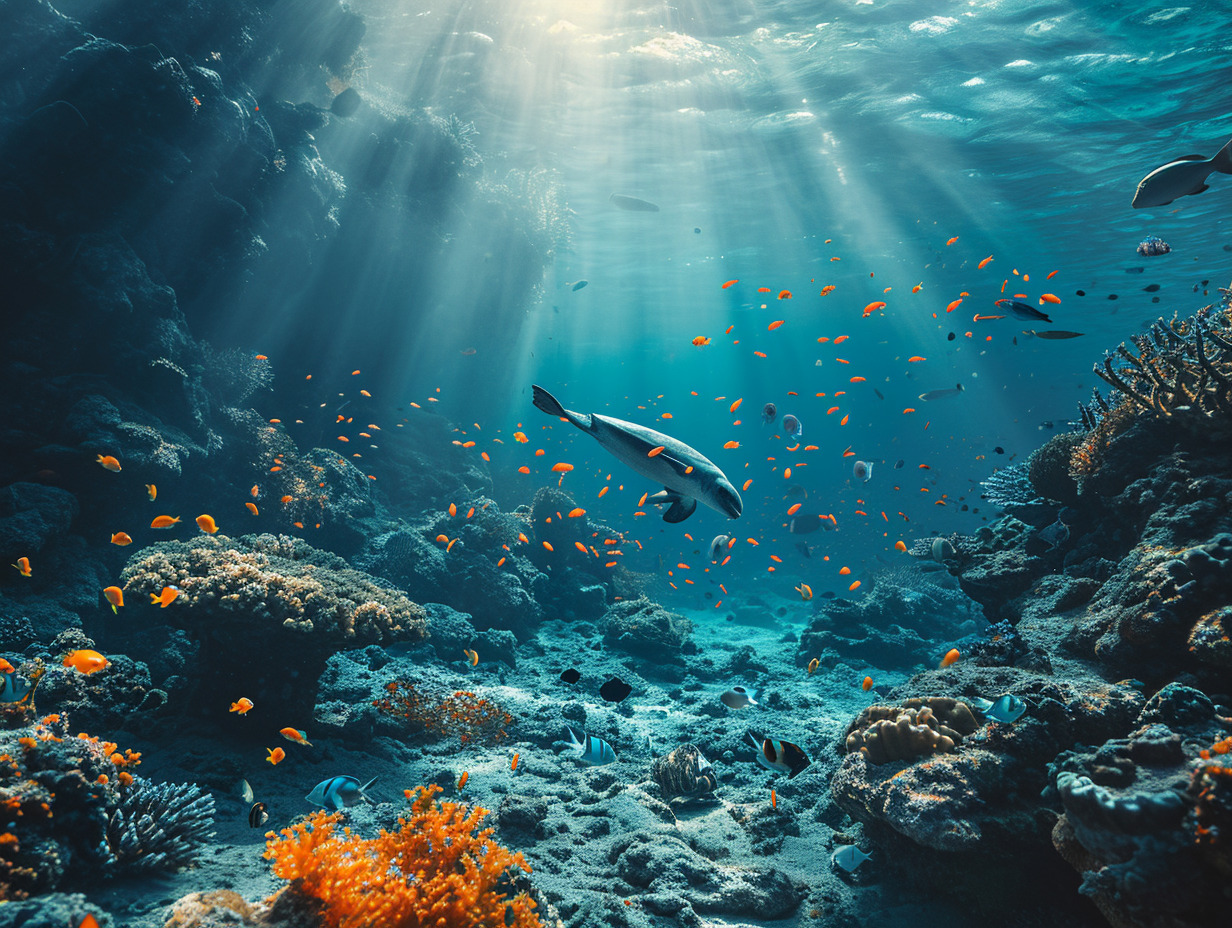
Pollinators, such as bees, butterflies, and certain birds, are essential players in plant biodiversity. Without them, many plants would be unable to reproduce, and ecosystems would suffer greatly. Similarly, predators regulate the populations of other species, thus preventing overpopulation and habitat degradation. Coral reefs, built by a multitude of small marine animals, the corals, constitute rich and complex ecosystems essential to marine life.
The concept of Animaleo, which highlights the interdependence of species within biodiversity, reminds us that each animal, by its very existence, contributes to the overall health of the ecosystem. This engages us in a shared responsibility to preserve these living beings that, by their mere presence, ensure the maintenance of natural balances and provide indispensable services for the survival of our own species.
The consequences of the disappearance of animal species on ecological balance
Conservation of animal biodiversity proves to be a major issue for maintaining the quality of life on Earth. The disappearance of animal species, a phenomenon often linked to human activities, has direct repercussions on water and soil quality, essential for the survival of all forms of life. Species like whales, elephants, and gorillas, through their actions on ecosystems, preserve the integrity of habitats, helping to ensure soil fertility and water cleanliness.
Public awareness thus emerges as an essential approach to protecting our environment. The extinction of species is not only an ecological loss but also undermines food security, health and well-being of human populations. Animal diversity influences ecosystem balance, upon which agriculture and, by extension, our food supply depend.
The economic consequences related to the disappearance of species are far from negligible. Animal biodiversity plays a decisive role in many economic sectors, particularly in industries dependent on the quality of natural resources. Tourism, fishing, and agriculture require healthy and diverse ecosystems to thrive.
Monitoring animal diseases, such as those identified by the WAHIS system, proves crucial for preventing health risks associated with emerging diseases. Disturbed ecosystems favor the emergence and spread of new pathogens, threatening animal and public health. The disappearance of animal species can therefore exacerbate the vulnerability of societies to such threats.