
In an era where rising energy costs weigh heavily on household budgets, finding effective ways to reduce energy consumption at home has become a priority. From simple gestures to more significant investments, a multitude of strategies can be adopted to lower bills while contributing to environmental preservation. Optimizing insulation, wisely using appliances, integrating renewable energies, and raising awareness about consumption habits are all avenues to explore for achieving more economical and sustainable domestic energy management.
Optimizing Domestic Energy Consumption
Consider managing your heating as a key lever to reduce your energy bill. Indeed, heating represents a significant portion of a household’s energy consumption. Adopt a temperature of 19 °C in living areas and 16 to 17 °C in bedrooms, in accordance with recommendations for rational energy use. Using room thermostats or thermostatic valves proves effective in maintaining these ideal temperatures effortlessly.
Parlons Déco, but with an eye on energy efficiency: ensure that your radiators are always unobstructed to better distribute heat. An annual maintenance of your boiler by a professional ensures its proper functioning and prevents energy loss. As for the insulation of the home, it is crucial for combating the cold and retaining heat within your dwelling, thus reducing heating needs.
Electricity consumption can be minimized by making informed choices about electrical appliances, favoring those with a good energy label. Pay attention to the standby of electronic devices, which, although often overlooked, significantly increases your consumption. Turn them off or unplug them to avoid these phantom loads. For cooking, prefer less energy-intensive appliances like the slow cooker, which consumes about 20% of the energy of a traditional stove.
Water consumption, particularly that of hot water, directly impacts your energy bill. Simple actions, such as reducing shower time or optimizing the use of your hot water tank, can lead to significant savings. The water heater thermostat can be adjusted to avoid unnecessarily overheating the water, while the installation of programmable heating systems allows you to heat water during off-peak hours to benefit from favorable rates.
Investing in Sustainable Solutions to Save Energy
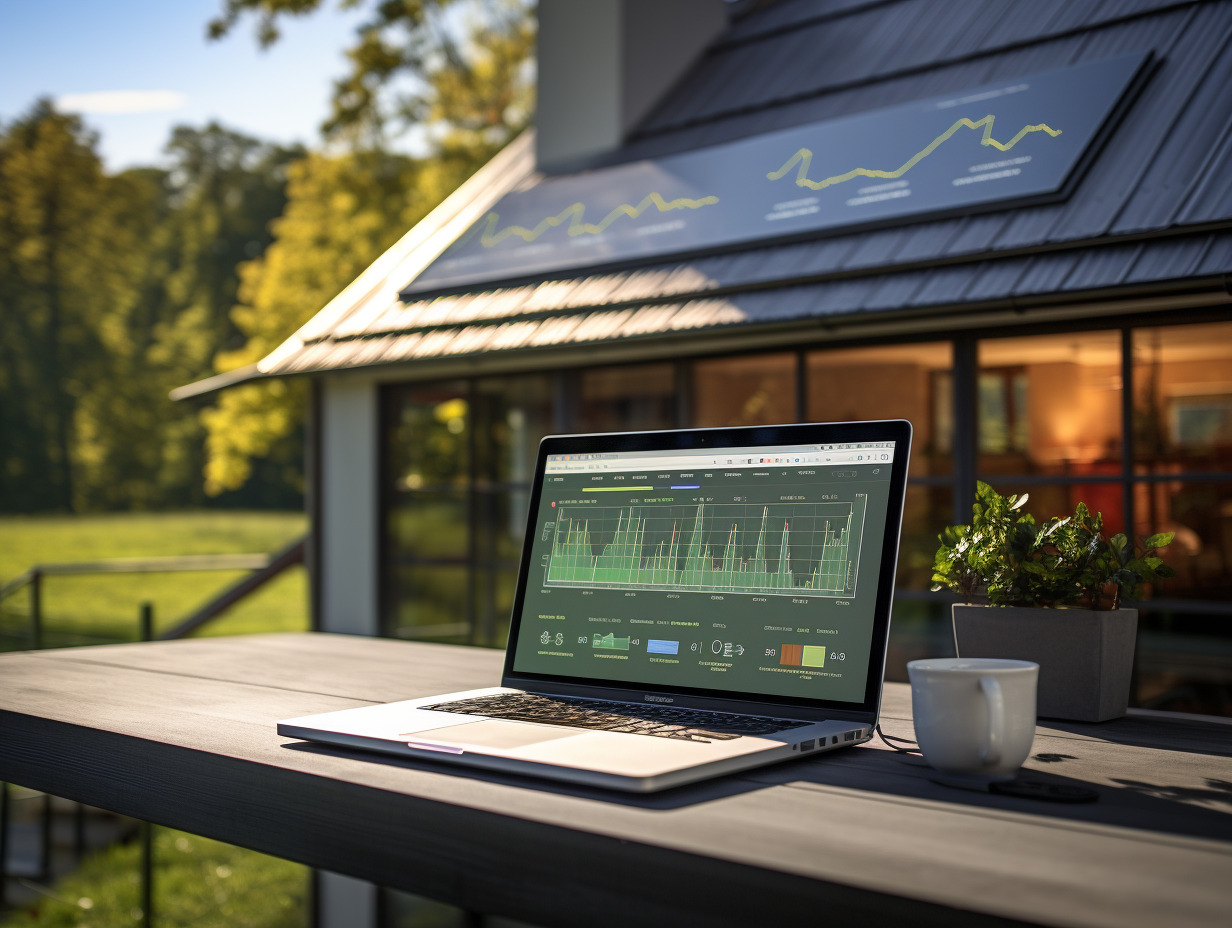
Commit to the energy transition through energy renovations of your home. Thermal insulation, switching to a condensing boiler, or installing solar panels represent significant initial investments, but their long-term benefits are measured in increased comfort and a significant reduction in energy bills. The Agency for the Environment and Energy Management (Ademe) provides precise estimates of achievable savings and advice to guide these capital works.
The dynamic pricing of energy suppliers, such as that offered by Hydro-Québec, encourages consumption outside of peak hours. Coupled with smart systems like Éco Sinopé, managing your consumption becomes automated to align with these advantageous pricing periods. Change your energy contract to take advantage of these offers and reduce your bill by simply adapting your consumption behavior.
Beyond the home, sustainable mobility and eco-responsible consumption habits contribute to lightening your energy footprint. From electrical appliances rated A+++ according to the energy label to electric or hybrid vehicles, every choice is part of a broader approach to reducing energy consumption. Bercy Infos and other organizations provide advice to consumers to guide these decisions that, beyond the economic aspect, are part of an essential environmental responsibility today.