After a colonoscopy, the digestive tract has undergone an aggressive preparation and examination that disrupt its normal functioning. The post-colonoscopy diet plays a direct role in the speed of recovery, abdominal comfort, and the prevention of complications such as bleeding or rebound diarrhea.
Gut microbiota and colonoscopy: what really changes after the examination
The bowel preparation (powerful laxatives, fasting, low-residue diet) does not just empty the colon. It temporarily alters the composition of the gut microbiota. Bacterial diversity decreases, and certain families are affected. The return to normal takes several days, sometimes a few weeks.
This imbalance explains the bloating, gas, and transit issues that many patients describe after the examination. A sudden return to a diet rich in fiber or fermentable foods (raw vegetables, legumes, fermented cheeses) overloads an intestine whose flora has not yet recovered.
The logic is simple: reintroduce fiber gradually over several days rather than resuming your usual diet all at once. Start with cooked vegetables, applesauce, then gradually add raw vegetables and whole grains over the following meals.
To better understand what to eat after a colonoscopy according to Mon Coach Douleur, it may be helpful to structure your meals from the very first hours.
Post-colonoscopy diet: what to eat in the first 24 hours
As soon as the anesthesia ends, in the absence of nausea, you can start eating again. There’s no need to wait until the next day. But the choice of foods matters.
Hospital protocols converge towards a list of soft and low-fiber foods for the first hours:
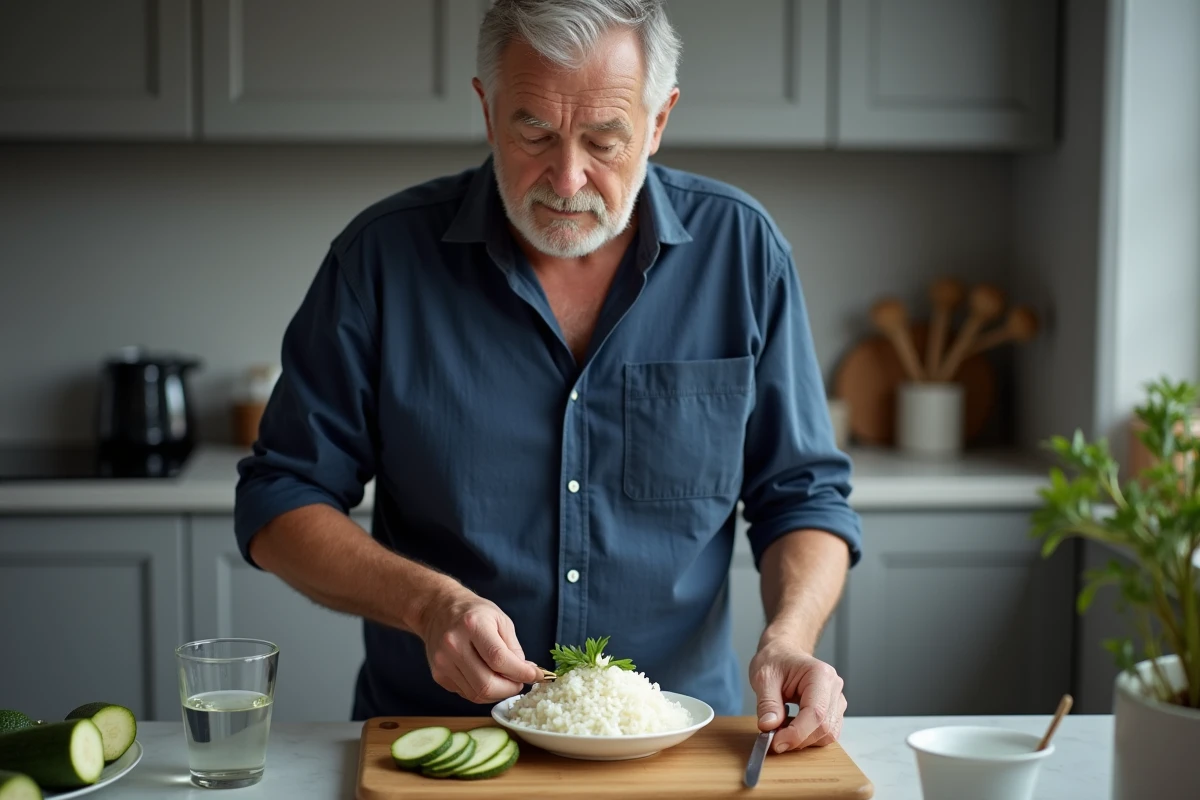
- Smooth applesauce (apple, pear), plain yogurt, filtered vegetable broth
- White rice, well-cooked pasta, mashed potatoes without excessive butter
- Slightly toasted white bread, poached or hard-boiled egg, steamed fish
These choices limit the mechanical work of the intestine. They reduce the risk of abdominal pain and rebound diarrhea, even after a simple colonoscopy without therapeutic intervention.
Hydration is as important as nutrition. The bowel preparation dehydrates. Drink water, herbal teas, or clear broths regularly throughout the day.
What to avoid on the day of the examination
Fatty, spicy, or very sugary foods irritate a weakened intestine. Alcohol is strictly prohibited in the 24 hours following, especially since it interacts with the sedatives still present in the body.
Avoid carbonated drinks as well, which worsen the bloating already caused by the air inflated during the examination.
Colonoscopy with polypectomy: a different diet to follow
Did you undergo a simple diagnostic colonoscopy or did the doctor remove polyps? The answer changes the dietary approach. After a polypectomy (removal of polyps), the risk of bleeding at the resection site exists for several days.
The dietary instructions then become stricter:
- Maintain a low-residue diet for two to three days after polyp removal
- Avoid foods that may irritate the mucosa: seeds, nuts, pepper, very acidic foods
- Immediately report any rectal bleeding, intense abdominal pain, or fever
After a diagnostic colonoscopy without intervention, a gradual return to a normal diet can begin the next day. After a polypectomy, caution lasts longer.
Common mistakes that slow recovery after colonoscopy
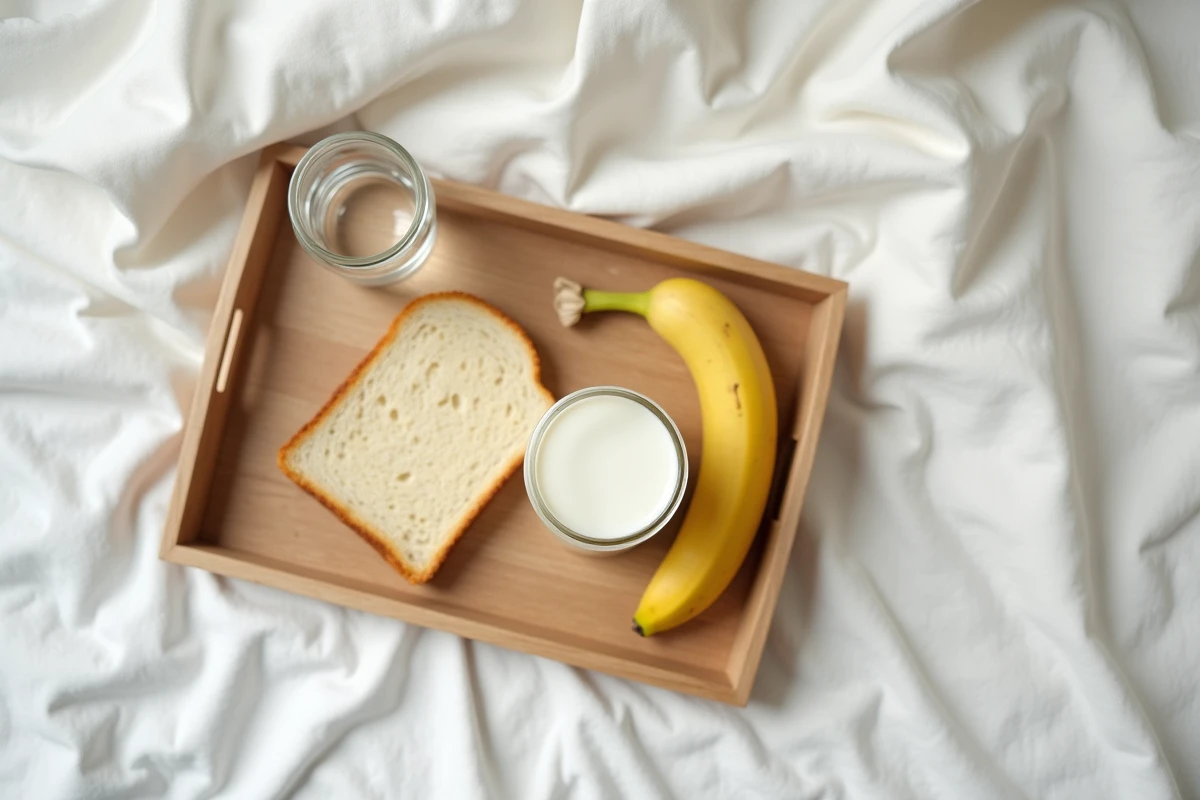
The first mistake, and the most common, is to immediately resume a normal diet thinking the examination is over. The intestine needs a transition period, even if short.
The second trap: confusing a low-residue diet with prolonged fasting. Some patients continue to eat very little out of fear of pain. The result is the opposite: the absence of food slows down the resumption of transit and increases fatigue related to the procedure.
The third mistake: neglecting the effect of sedatives on alertness. The medications administered during the examination can lead to drowsiness and concentration difficulties for the next 24 hours. Eating too quickly or standing in this state increases digestive discomfort. Take the time to eat sitting down, chewing slowly.
When to resume physical activity
No intense physical activity on the day of the examination. Rest is recommended for the next 24 hours, especially if sedation was performed. In the following days, gradually resume walking, then your usual activities according to your tolerance.
The diet after a colonoscopy is not complicated, but it requires respecting the rhythm of the intestine rather than forcing a return to normal. One or two days of simple meals and regular hydration is sufficient in the vast majority of cases. After a polypectomy, dietary vigilance lasts a bit longer, and any unusual signs (bleeding, fever, severe pain) warrant a call to the doctor without delay.