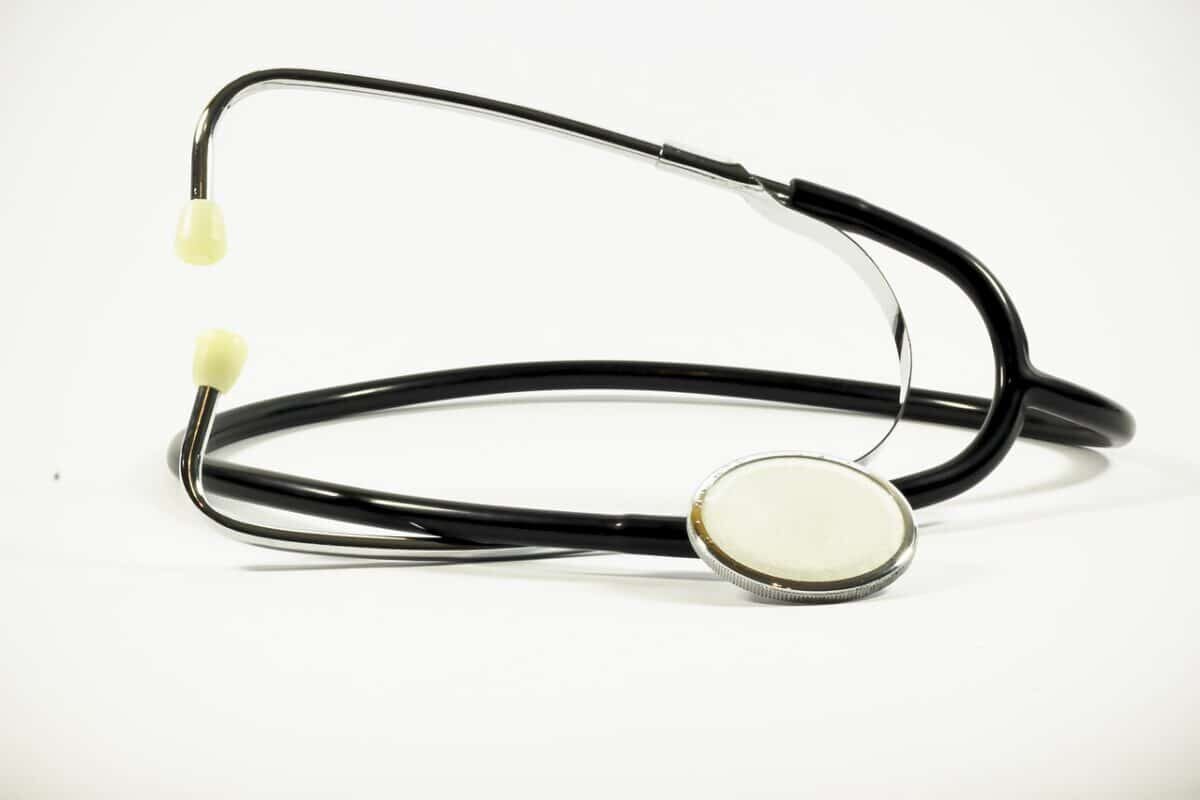
The stethoscope, an emblematic tool of healthcare professionals, plays a key role in medical diagnosis. In direct contact with patients’ skin, it becomes a potential vector for the transmission of infections. The cleanliness of this instrument is therefore not just a matter of personal hygiene, but a professional requirement. Learning to effectively clean your stethoscope is an essential skill to ensure patient safety and maintain the durability of the equipment.
Preparation for Cleaning
Before starting the cleaning process, it is imperative to prepare properly to protect both the instrument and the healthcare professional. A few simple yet essential steps must be followed.
- Wash your hands thoroughly with soap and water, or use a hydroalcoholic solution.
- Gather the necessary materials: disinfectant wipes, mild soap and water, and a clean cloth.
- Ensure that the area where you will clean the stethoscope is clean and disinfected.
Cleaning the Tubes and Diaphragm
The tubes and diaphragm of the stethoscope are the parts most exposed to contaminants. Effective cleaning of these components requires a rigorous method.
Start by soaking a disinfectant wipe approved for medical devices. Wipe the stethoscope tubes from top to bottom, focusing on the areas most frequently handled. For the diaphragm, remove it if possible, and clean it thoroughly with a soapy water solution. Rinse with clear water and dry with a clean cloth.
Disinfection of Ear Tips
The ear tips are in direct contact with the practitioner’s ears. Their cleaning is essential to avoid the buildup of earwax and other contaminants.
- Remove the ear tips from the stethoscope.
- Wash them with warm, soapy water. Rinse them thoroughly and dry them.
- Use a disinfectant wipe to clean the metal part of the tips.
- Replace the tips once they are completely dry.
Frequency and Precautions
The frequency of stethoscope cleaning depends on usage and the clinical context. It is recommended to clean it after each use in high-risk infection environments.
To reduce material degradation, avoid alcohol-based disinfectants or overly aggressive solutions. Prefer products specifically designed for medical devices. Additionally, never immerse the stethoscope in liquid, as this could damage the internal components.
Maintaining a clean stethoscope is a responsibility towards patients and a way to extend the life of this indispensable instrument. By following these simple yet rigorous steps, you will ensure the safe and effective use of your stethoscope.